5 Best Wetsuits for Open Water Swimming Beginners: Picks Compared (2026)
Looking for the best wetsuit for open water swimming as a beginner? Compare five well-regarded picks by fit, warmth, and flexibility to find your match.
 By Colin Foster
Updated November 10, 2026
 By Colin Foster
Updated November 2026
If you are new to open water, the best wetsuit for open water swimming as a beginner is usually the one that fits snugly without restricting your shoulders, keeps your core warm enough for the water you actually swim in, and gives you enough buoyancy to feel steady. This guide compares five wetsuits across those criteria: fit and sizing, neoprene thickness, flexibility through the shoulders, buoyancy, and how each suits a particular type of swimmer. Brand reputation and recurring owner feedback patterns informed the selection. None of these picks were tested in our own water, so treat the specs as manufacturer information and check sizing charts before you buy.
Our top picks at a glance
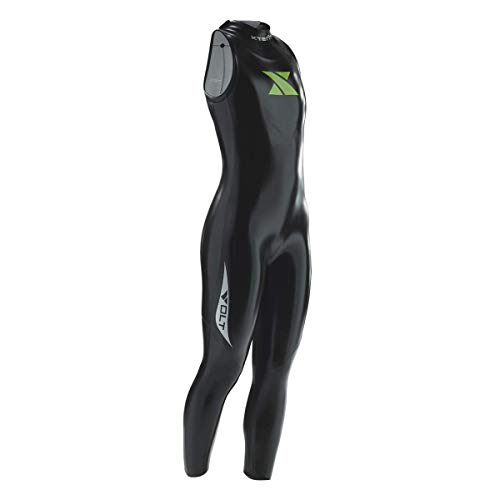
- 1TOP CHOICEBest overallXterra Wetsuits – Men's Volt Triathlon Wetsuit – Sleeveless Neoprene WView on Amazon
- 2
 TOP CHOICEBest for cold-water beginnersSynergy Volution 5/2mm Triathlon Wetsuit Full Sleeve Open Water (Black, L2)View on Amazon
- 3
 TOP CHOICEBest for warm-water practiceSynergy Men's Volution 3/2mm Triathlon Wetsuit – Full Sleeve Open Water (Black, L2)View on Amazon
- 4
 Best for women with a fitted cutZone3 Women's Agile WetsuitView on Amazon
- 5
 Best budget pick for womenTYR Women's Hurricane Wetsuit Cat 1 Sleeveless, Black, XS | Hurricane CAT1 SVL WetsuitView on Amazon
Our Top Picks
| Product | Best for | Key feature |
|---|---|---|
| Xterra Men’s Volt Triathlon Wetsuit (sleeveless, 3mm) | Warm-to-mild water beginners who want freedom in the arms | Sleeveless design with 3mm neoprene |
| Synergy Volution 5/2mm Triathlon Wetsuit | Cold-water beginners | 5/2mm thickness with full sleeves |
| Synergy Men’s Volution 3/2mm Triathlon Wetsuit | Milder open water and pool-to-lake progression | Lighter 3/2mm full-sleeve construction |
| Zone3 Women’s Agile Wetsuit | Women wanting a close, streamlined fit | Flexible shoulder design for stroke freedom |
| TYR Women’s Hurricane Wetsuit Cat 1 Sleeveless | Warm-water beginners on a tighter budget | Sleeveless Category 1 construction |
Xterra Wetsuits Men’s Volt Triathlon Wetsuit – Sleeveless Neoprene Wet Suit (3mm Thickness) (Large) | Designed for Open Water Swimming
Xterra Wetsuits – Men's Volt Triathlon Wetsuit – Sleeveless Neoprene Wet Suit (3mm Thickness) (Large) | Designed for Open Water Swimming
Best for: Warm-to-mild water beginners who want unrestricted arm movement
This sleeveless men’s triathlon wetsuit suits swimmers who are already comfortable in the water and want to build open water confidence without feeling overheated. The sleeveless cut is a common choice for beginners in water above roughly 65°F, where full sleeves can feel restrictive. For a deeper look, 5 Best Open Water Swimming Wetsuit Women's Picks for 2026 covers this in detail.
Key specs:
- Sleeveless design
- 3mm neoprene thickness
- Designed for open water swimming, per the listing
Pros:
- Unrestricted shoulder movement for stroke development
- Lighter feel than full-sleeve suits in mild water
- Cooler to wear in warm conditions
Cons:
- Less warmth in cold water
- Sizing is critical; a loose fit allows water to flush through
Bottom line: A strong first choice for men who swim in mild water and want a flexible suit to learn in.
View on AmazonSynergy Volution 5/2mm Triathlon Wetsuit Full Sleeve Open Water (Black, L2)
Synergy Volution 5/2mm Triathlon Wetsuit Full Sleeve Open Water (Black, L2)
Best for: Cold-water beginners
The 5/2mm thickness and full-sleeve design are aimed at swimmers who regularly enter water that drops into the 50s°F. Beginners who feel the cold quickly, especially in lakes or early-season open water, tend to get the most value from thicker neoprene.
Key specs:
- 5/2mm neoprene (5mm core, 2mm limbs and sleeves, per the naming convention)
- Full-sleeve open water triathlon design
- Black, size L2 per listing
Pros:
- Thicker core for warmth in cold water
- Full sleeves add insulation at the shoulders
- Buoyancy helps beginners stay horizontal
Cons:
- Heavier and warmer to wear in mild conditions
- Thicker neoprene can reduce shoulder flexibility for some swimmers
Bottom line: Best for beginners training in cold water who need maximum warmth and buoyancy.
View on AmazonSynergy Men’s Volution 3/2mm Triathlon Wetsuit – Full Sleeve Open Water (Black, L2)
Synergy Men's Volution 3/2mm Triathlon Wetsuit – Full Sleeve Open Water (Black, L2)
Best for: Milder open water and a progression from pool to lake
The 3/2mm version of the same Volution line offers a lighter, more flexible feel. It suits beginners in water that is cool rather than cold, or those who plan to move up to thicker suits later.
Key specs:
- 3/2mm neoprene (3mm core, 2mm limbs and sleeves)
- Full-sleeve open water triathlon design
- Black, size L2 per listing
Pros:
- Lighter and more flexible than 5/2mm options
- Full sleeves retain some warmth
- Comfortable for longer sessions in mild water
Cons:
- Not warm enough for very cold water
- Fit must be dialed in closely to avoid flushing
Bottom line: A good middle-ground suit for beginners training in cool-to-mild open water.
View on AmazonZone3 Women’s Agile Wetsuit
Zone3 Women's Agile Wetsuit
Best for: Women wanting a close, streamlined fit
Zone3 is a recognized triathlon brand, and the Agile is positioned for swimmers who want a fitted suit that does not restrict stroke mechanics. It is a sensible choice for women who have been fitted for wetsuits before and know their size.
Key specs:
- Women’s cut
- Designed for open water triathlon use
Pros:
- Streamlined fit that reduces drag
- Shoulder design supports a natural stroke
- Established brand with a focus on triathlon
Cons:
- Fitted cut can be difficult to get on and off for first-time buyers
- Sizing runs close, so measurements should guide the purchase
Bottom line: Worth considering for beginner women who want a performance-oriented fit and are ready to size carefully.
View on AmazonTYR Women’s Hurricane Wetsuit Cat 1 Sleeveless, Black, XS | Hurricane CAT1 SVL Wetsuit
TYR Tyr Women's Hurricane Wetsuit Cat 1 Sleeveless, Black, XS | Hurricane CAT1 SVL Wetsuit
Best for: Warm-water beginners on a tighter budget
The Category 1 rating indicates a suit intended for warmer water, which makes this sleeveless model a practical starting point for women swimming in pools-turned-open-water or warm lakes. TYR is a long-established swimwear brand, so the construction is a familiar, predictable option.
Key specs:
- Category 1 (designed for warmer water)
- Sleeveless design
- Women’s cut, black, size XS per listing
Pros:
- Sleeveless design allows free arm movement
- Appropriate for warmer conditions
- Established brand reputation
Cons:
- Not suited to cold water
- Limited insulation compared with full-sleeve suits
Bottom line: A reasonable entry point for women practicing in warm water who want a simple, flexible suit.
View on AmazonBuying Guide
Water temperature and neoprene thickness
Thickness is the single biggest factor for beginners. Many triathlon suits use a two-number designation such as 5/2mm, where the first number is the thickness of the core (torso and legs) and the second is the thickness of the arms and sleeves. Thicker core neoprene retains more heat. A general rule used by many coaches is that suits of 3mm or less suit water around 65°F and above, while 5mm-plus is better for water in the 50s°F. Confirm with the manufacturer’s temperature guidance, since it varies.
Good picks for this: Synergy Volution 5/2mm Triathlon Wetsuit, Synergy Men’s Volution 3/2mm Triathlon Wetsuit
Sleeved versus sleeveless design
Sleeveless suits allow more shoulder rotation and are cooler in warm water, which is why they are popular with beginners training in lakes during summer. Full sleeves add warmth and reduce heat loss through the arms, but can feel more restrictive. If you plan to swim year-round, a full-sleeve suit gives you more versatility.
Good picks for this: Xterra Men’s Volt Triathlon Wetsuit, TYR Women’s Hurricane Wetsuit Cat 1 Sleeveless
Fit and sizing
A wetsuit should feel snug everywhere, with no loose areas where water can flush in. Check the brand’s sizing chart against your height, weight, and chest measurement, and read the size notes carefully. Some brands run small, and women’s cuts often fit differently than men’s. Expect the suit to feel tight at first; it should loosen slightly with time, but it should not sag. Try it on dry, then on land while squatting and reaching overhead.
Good picks for this: Zone3 Women’s Agile Wetsuit, Synergy Men’s Volution 3/2mm Triathlon Wetsuit
Flexibility and shoulder mobility
Your stroke depends on freedom through the shoulders. Look for suits with shoulder panels or a design described as flexible through the upper body. Stiff neoprene can cause fatigue and shorten your stroke, which matters more when you are still building endurance. Beginners often do better with a slightly lower-thickness suit that moves freely than a thick suit that restricts the stroke.
Good picks for this: Zone3 Women’s Agile Wetsuit, Xterra Men’s Volt Triathlon Wetsuit
Buoyancy and body position
Neoprene provides buoyancy, which helps keep your hips and legs near the surface. For beginners, this can reduce the effort needed to stay horizontal. Thicker suits generally provide more lift, though the effect is also influenced by your body composition. Buoyancy is a helpful feature, but it should not replace proper technique.
Good picks for this: Synergy Volution 5/2mm Triathlon Wetsuit, Synergy Men’s Volution 3/2mm Triathlon Wetsuit
Durability and care
Neoprene lasts longer when rinsed with fresh water after every session, dried in the shade, and stored flat or hung loosely. Avoid leaving it in direct sun or in a hot car. Salt, chlorine, and sunscreen can degrade the material over time. A well-cared-for wetsuit can last several seasons, though owners often report that seams and zippers wear first.
Good picks for this: TYR Women’s Hurricane Wetsuit Cat 1 Sleeveless, Synergy Volution 5/2mm Triathlon Wetsuit
Use case and intended conditions
Match the suit to where you will swim most. Pool-to-lake progression, cold-water training, and triathlon-style open water each call for different features. If you plan to swim in multiple temperatures, a mid-thickness suit may be the most practical first purchase. For guidance on related choices, see Best Wetsuit for Open Water Swimming (2026): Which Should You Choose? and Open Water Wetsuit Swimming: A Practical Guide (2026).
Good picks for this: Synergy Men’s Volution 3/2mm Triathlon Wetsuit, Xterra Men’s Volt Triathlon Wetsuit
FAQ
What thickness wetsuit should a beginner buy?
It depends on the water temperature you plan to swim in most. Many manufacturers suggest 3mm or thinner for warmer water and 5mm-plus for colder water. A mid-thickness suit can work for a beginner training across a range of conditions.
Should a beginner choose a sleeveless or full-sleeve wetsuit?
Sleeveless suits offer more shoulder freedom and suit warm water. Full-sleeve suits add warmth and suit cooler conditions. Beginners in mixed conditions often prefer full sleeves for their versatility.
How tight should a wetsuit feel?
It should feel snug across the chest, shoulders, and hips, with no large gaps. Some squeezing is normal at first, and the suit may loosen slightly. It should not restrict breathing or cause numbness.
Can I use a wetsuit in a pool?
Many pools allow wetsuits, but some prohibit them or limit their use. Check the facility’s rules before you go. Pool swimming in a wetsuit can also feel very warm.
How should I care for a wetsuit?
Rinse it in fresh water after each use, dry it out of direct sunlight, and store it loosely. Avoid folding it sharply or leaving it in a hot car. Proper care helps the neoprene and seams last longer.
Do wetsuits make open water swimming safer?
Buoyancy and warmth can help, but a wetsuit is not a safety device on its own. Beginners should swim with a companion, use a visible swim buoy, and learn to manage cold-water shock. If you have a medical condition or concerns about cold-water swimming, consult a physician or qualified coach before starting.
Conclusion
For most beginners, the best wetsuit for open water swimming is one that matches the water you will actually swim in and fits without restricting your stroke. The Xterra Men’s Volt Triathlon Wetsuit suits warm-to-mild conditions and freedom of movement. The Synergy Volution 5/2mm fits cold-water training, while the 3/2mm version offers a lighter option for cool-to-mild water. The Zone3 Women’s Agile suits women who want a streamlined fit and are ready to size carefully, and the TYR Women’s Hurricane Wetsuit Cat 1 Sleeveless is a simple warm-water entry point. Measure yourself, check the sizing chart, and try the suit on dry before committing.
Sources
- General guidance on cold-water safety and hypothermia risk for outdoor swimmers (cdc.gov)
- Consumer product safety information relevant to recreational water equipment (cpsc.gov)
- Governing body guidance on open water swimming practice and safety
Related reading
- 4 Best Womens Open Water Wetsuits for Cold Water Swimming (2026)
- Best Open Water Wetsuit (2026): Which Is Better for Triathletes vs Swimmers?
- 6 Best Open Water Swim Wetsuit Picks for Triathletes and Swimmers (2026)
About Colin Foster
Colin Foster is part of our editorial team and reviews and edits our swimming gear guides, checking product details against manufacturer specifications and owner feedback.
About the author
Colin Foster writes reviews and buying guides for Swim Brief.