5 Best Swim Fins for Triathletes: Picks Compared for Training (2026)
Looking for the best swim fins for triathletes? Compare five training fins by blade, fit, buoyancy and use case to find the right pair for your swim work.
 By Colin Foster
Updated November 26, 2026
 By Colin Foster
Updated November 2026
Triathletes need swim fins that do more than make the pool feel easy. The best swim fins for triathletes build leg speed, improve kick timing and help you hold a steady body position without turning every set into a cramp risk. In this guide we compare five training fins based on what the manufacturers specify, how the blade and foot pocket are built, and the patterns owners tend to mention in feedback. Our selection criteria were blade stiffness, fit and foot pocket comfort, buoyancy, material durability and how well each model suits pool kick sets, drills and open-water practice.
Our top picks at a glance
- 1TOP CHOICEBest overallTYR Stryker Silicone Swim FinsView on Amazon
- 2
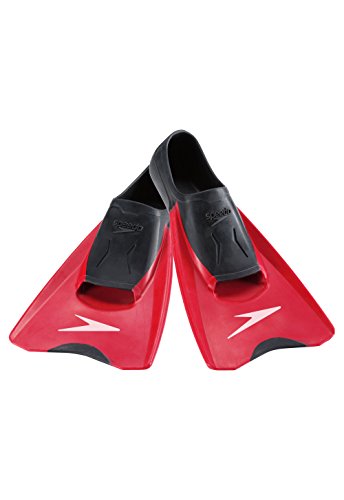 TOP CHOICEBest for kick-focused setsSpeedo Unisex-Adult Swim Training Fin Rubber Medium BladeView on Amazon
- 3
 TOP CHOICEBest budget pickGintenco Swim Fins, Adults & Kids Swim Training Fins for Lap SwimmingView on Amazon
- 4
 Best for a natural-rubber feelTYR Flexfins 2.0 – Unisex Natural Rubber Fins for Swim Training, MediumView on Amazon
- 5
 Best for beginners and float-supported drillsFinis Long Floating Swim Fins, Adult Training Fins, Red/Blue, MView on Amazon
Our Top Picks
Quick Comparison
| Product | Best for | Key feature |
|---|---|---|
| TYR Stryker Silicone Swim Fins | Overall triathlon pool training | Silicone blade with a firm, responsive feel |
| Speedo Unisex-Adult Swim Training Fin Rubber Medium Blade | Kick-focused sets | Medium rubber blade for steady propulsion |
| Gintenco Swim Fins, Adults & Kids Swim Training Fins | Budget pick and travel | Compact design with included mesh bag |
| TYR Flexfins 2.0 | Natural-rubber feel and flexibility | Natural rubber blade in a medium size |
| Finis Long Floating Swim Fins | Beginners and float-supported drills | Built-in buoyancy for maximum support |
TYR Stryker Silicone Swim Fins
TYR Stryker Silicone Swim Fins (1 pair)
Best for: Overall triathlon pool training Top 5 Transom Mounted Boat Ladder Picks for Easy Swim Access goes further into this.
This is a strong all-around choice for triathletes who want a fin that holds up to regular kick sets and gives a clear, firm feel at the ankle. It suits swimmers who already have a reasonably strong kick and want a fin that reinforces good form.
Key specs
- Silicone blade construction
- Designed for swim training use in the pool
Pros
- Firm blade response for kick work
- Silicone material is widely valued for durability
- Well suited to steady training volume
Cons
- Stiffer feel can take adjustment for new fin users
- May feel demanding during long, slow kick sets
Bottom line: A dependable pick for triathletes who want a firm, durable training fin for regular pool sessions.
View on AmazonSpeedo Unisex-Adult Swim Training Fin Rubber Medium Blade
Speedo Unisex-Adult Swim Training Fin Rubber Medium Blade
Best for: Kick-focused sets
This fin fits triathletes who spend much of their pool time on kick drills and want a medium blade that builds propulsion without the stiffness of a race-style blade. It is a practical option for building leg endurance during base training.
Key specs
- Rubber construction
- Medium blade size
Pros
- Balanced blade for steady kick training
- Familiar rubber feel for many swimmers
- Straightforward design suited to drills
Cons
- Rubber can wear faster than silicone with heavy use
- Sizing should be checked carefully against shoe size
Bottom line: A good choice for triathletes building kick strength who want a medium blade for focused pool sets.
View on AmazonGintenco Swim Fins, Adults & Kids Swim Training Fins for Lap Swimming
Gintenco Swim Fins, Adults & Kids Swim Training Fins for Lap Swimming | Travel Size Flippers with Mesh Bag, Silicone Swimming Fins for Beginners Teens Women Men
Best for: Budget pick and travel
This is a budget-friendly option for triathletes who want a second pair for travel, a training camp or an extra set of fins for the team bag. It also works for younger or newer swimmers who are still learning kick mechanics.
Key specs
- Silicone construction
- Travel-size design with a mesh carry bag
- Available in adult and youth-friendly sizing
Pros
- Easy to pack and carry
- Good value for a backup or travel pair
- Suitable for a range of ages and sizes
Cons
- Less specialized feel than premium training fins
- Owners often recommend checking fit closely before ordering
Bottom line: A sensible backup or travel fin for triathletes who want good value without a lot of complexity.
View on AmazonTYR Flexfins 2.0 – Unisex Natural Rubber Fins for Swim Training, Medium
TYR Flexfins 2.0 – Unisex Natural Rubber Fins for Swim Training, Medium
Best for: Natural-rubber feel and flexibility
This fin suits triathletes who prefer a softer, more flexible blade and want a natural-rubber feel for drills and moderate-intensity kick work. It is a good match for swimmers who are refining their ankle flexibility and kick timing.
Key specs
- Natural rubber blade
- Medium size
Pros
- Flexible blade gives a forgiving feel
- Good for technique-focused drills
- Comfortable for moderate training volume
Cons
- Less resistance for high-intensity power sets
- Natural rubber needs care to avoid early wear
Bottom line: A good pick for triathletes who value flexibility and technique work over maximum propulsion.
View on AmazonFinis Long Floating Swim Fins, Adult Training Fins, Red/Blue, M
Finis Long Floating Swim Fins, Adult Training Fins, Red/Blue, M | FINIS Long Floating Fins Provide Maximum Buoyancy and Propulsion, Essential Swim Gear for Men and Women
Best for: Beginners and float-supported drills
This fin is built for triathletes who are newer to fins or who want extra buoyancy during drills that require a stable, supported body position. It can help swimmers focus on kick mechanics without worrying about sinking hips or legs.
Key specs
- Long floating design for added buoyancy
- Adult training size, medium
Pros
- Strong buoyancy support for drills
- Helpful for learning body position
- Suitable for a wide range of training uses
Cons
- Longer, floating design is less suited to fast kick sets
- Bulkier to carry than compact travel fins
Bottom line: A supportive option for triathletes learning fin work or using fins for float-assisted drills.
View on AmazonBuying Guide
Blade Stiffness
Stiffer blades produce more propulsion per kick but demand more ankle strength and flexibility. Softer blades are easier on the legs and suit technique work. For triathletes building kick power, a medium-to-firm blade is a common starting point, while those rebuilding kick mechanics often do better with a softer feel.
Good picks for this: TYR Stryker Silicone Swim Fins, TYR Flexfins 2.0
Foot Pocket Fit
A fin that slips at the heel loses efficiency and can cause cramping. Check whether the foot pocket accommodates your shoe size comfortably, and whether the strap or heel design holds your foot without pinching. Many owners recommend trying fins with your training socks or without, depending on how you swim.
Good picks for this: Speedo Unisex-Adult Swim Training Fin, Gintenco Swim Fins For a deeper look, 4 Best Silicone Swim Fins for Hands in 2026 covers this in detail.
Buoyancy
Most training fins are not designed to float, but some models include buoyancy to support body position during drills. If you struggle with leg position or sinking hips, a floating fin can make drills easier to hold. Keep in mind that high buoyancy can reduce the feel of resistance during fast kick sets.
Good picks for this: Finis Long Floating Swim Fins
Material and Durability
Silicone tends to hold its shape and resist wear well, while natural rubber offers a softer, more flexible feel but may degrade faster with heavy chlorine exposure or sun. Rinse fins in fresh water after each session and store them out of direct sunlight to extend their life.
Good picks for this: TYR Stryker Silicone Swim Fins, TYR Flexfins 2.0
Training Use Case
Match the fin to the work you do most. Power kick sets, technique drills and open-water fitness each call for a different feel. A triathlete who spends most time on steady endurance kick may want a different fin than one focused on drills or travel.
Good picks for this: Speedo Unisex-Adult Swim Training Fin, Finis Long Floating Swim Fins
Portability
If you travel for training camps or races, a compact fin with a carry bag saves space in your gear bag. Longer or bulkier fins are harder to pack but may offer more buoyancy or blade length. Consider how often you will move your fins before choosing.
Good picks for this: Gintenco Swim Fins, Adults & Kids Swim Training Fins
Care and Maintenance
Rinse fins after every session to remove chlorine and salt, let them air dry away from direct sun, and check blade edges for cracks or thinning. Replacing worn fins before they fail helps protect your ankles and keeps kick timing consistent. Consult a sports medicine professional if you develop persistent ankle or calf pain during kick work.
Good picks for this: TYR Stryker Silicone Swim Fins, Speedo Unisex-Adult Swim Training Fin
FAQ
What are the best swim fins for triathletes?
There is no single answer for every triathlete. The TYR Stryker Silicone Swim Fins suit overall pool training, while the Speedo medium blade fits kick-focused sets and the TYR Flexfins 2.0 suits those who prefer a softer natural-rubber feel.
Should triathletes use fins for every swim session?
Not necessarily. Fins are most useful for kick sets, drills and building leg strength. Many coaches suggest using them for a portion of each session rather than every workout, so your stroke and kick mechanics stay balanced.
How do I know what size swim fins to buy?
Check the manufacturer sizing chart and compare it to your shoe size. Fit should be snug but not painful, with the heel secure and no pinching at the toes. If you are between sizes, many owners suggest choosing the size that feels comfortable with your training socks, if you use them.
Are silicone or rubber fins better for training?
Silicone generally offers durability and a firm, responsive feel, while rubber tends to feel softer and more flexible. Your choice depends on your training goals and how much blade stiffness you want during kick work.
Can fins help with ankle flexibility?
Regular kick work with fins can encourage ankle flexibility, but fins are not a substitute for dedicated mobility work. If you have limited ankle range or recurring pain, consult a physical therapist or sports medicine professional before increasing fin use.
How should I care for swim fins?
Rinse fins in fresh water after every session, dry them in shade and avoid leaving them in hot cars. Inspect blades regularly for cracks and replace fins that show thinning or tearing.
Do I need a floating fin?
Floating fins are useful for beginners and for drills that require support, but they are not necessary for everyone. If you already have stable body position, a standard training fin may give you a better feel for kick resistance.
Conclusion
The best swim fins for triathletes depend on how you train. For overall pool work, the TYR Stryker Silicone Swim Fins offer a firm, durable option. Kick-focused triathletes may prefer the Speedo medium rubber blade, while the TYR Flexfins 2.0 suit those who value flexibility and technique. The Gintenco fins make a practical budget or travel pair, and the Finis Long Floating Swim Fins help with drills and beginner body position. Choose based on your main training goal, check sizing carefully and consult a professional if you have ongoing ankle or leg discomfort.
Sources
- Water safety and swimming guidance for recreational and training swimmers (cdc.gov)
- Public information on water safety and personal flotation for swimmers (usa.gov)
- Exercise science resources on training load and musculoskeletal health (acsm.org)
Before you buy: helpful guides
Related reading
- Top 6 Best Youth Swim Fins for Kids and Teen Swimmers (2026)
- Top 4 Best Swim Fins for Triathlon Training Compared
- TYR HydroBlade Swim Fins: 3 Best Picks for Pool Training (2026)
About Colin Foster
Colin Foster is part of our editorial team and reviews and edits our swimming gear guides, checking product details against manufacturer specifications and owner feedback.
About the author
Colin Foster writes reviews and buying guides for Swim Brief.