5 Best Swim Fins for Building Leg Strength in 2026
Find the best swim fins for building leg strength. We compare five training fins by blade stiffness, fit, and resistance so you can pick the right pair for your
 By Colin Foster
Updated November 26, 2026
 By Colin Foster
Updated November 2026
Choosing the best swim fins for building leg strength comes down to one question: how much resistance does your kick need to push against? Fins that are too soft won’t load your quads, hip flexors, and calves enough to matter. Fins that are too stiff can strain your ankles and change your stroke mechanics. This guide compares five training fins on the criteria that matter most for strength work: blade stiffness, blade length, material, fit, and whether the fin is designed for lap training or for floating and kick sets. The picks are based on manufacturer specifications, brand track record, and patterns in owner feedback.
Our top picks at a glance
- 1TOP CHOICEBest overallTYR Stryker Silicone Swim FinsView on Amazon
- 2
 TOP CHOICEBest for dedicated kick setsFINIS Edge Swim Fins for Men & WomenView on Amazon
- 3
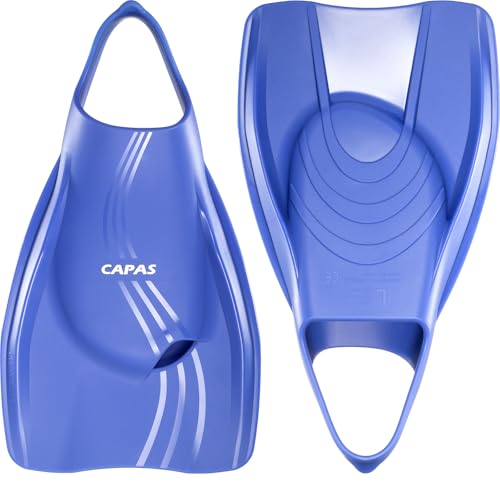 TOP CHOICEBest for short, powerful kicksCAPAS Pro Swim Training FinsView on Amazon
- 4
 Best for beginners and floating drillsFinis Long Floating Swim FinsView on Amazon
- 5
 Best budget pickSpeedo Unisex-Adult Swim Training Fin Rubber Medium BladeView on Amazon
Our Top Picks
Quick Comparison
| Product | Best for | Key feature |
|---|---|---|
| TYR Stryker Silicone Swim Fins | All-around leg strength training | Silicone blade with firm response |
| FINIS Edge Swim Fins | Dedicated kick sets | 100% silicone training construction |
| CAPAS Pro Swim Training Fins | Short, powerful kicks | Short blade with left-right sizing |
| Finis Long Floating Swim Fins | Beginners and floating drills | Long blade with maximum buoyancy |
| Speedo Unisex-Adult Swim Training Fin | Budget-conscious training | Medium rubber blade |
TYR Stryker Silicone Swim Fins
TYR Stryker Silicone Swim Fins (1 pair)
For another angle, check out 6 Best Open Heel Swim Fins for Snorkeling and Reef Dives.
Best for: All-around leg strength training
This is a good fit for swimmers who already have basic kick technique and want fins that provide steady resistance across a full set. The silicone blade is firm enough to load the legs without forcing an exaggerated, bent-knee kick.
Key specs
- Silicone blade construction
- Designed for pool training and lap work
- Full-foot style fit
Pros
- Firm silicone blade gives consistent resistance
- Works well across kick sets of varying length
- Durable material holds its shape with regular use
Cons
- Stiffness may feel demanding for complete beginners
- Sizing should be checked carefully before ordering
Bottom line: A strong default choice for swimmers who want one pair of fins to handle most leg-strength work in the pool.
View on AmazonFINIS Edge Swim Fins for Men & Women
FINIS Edge Swim Fins for Men & Women – 100% Silicone Training Fins – Build Leg Strength & Endurance – Large
Best for: Dedicated kick sets
These fins suit swimmers who spend much of a session kicking with a board or on their sides and want a pair built specifically for that purpose. The listing describes the fin as 100% silicone and aimed at building leg strength and endurance, and that focus matches its design.
Key specs
- 100% silicone construction
- Listed in the large size
- Marketed for leg strength and endurance training
Pros
- Purpose-built for training rather than recreation
- Silicone material holds up to repeated pool use
- Suitable for both men and women
Cons
- Large size may not fit smaller feet well
- Stiff silicone can take a few sessions to feel comfortable
Bottom line: Pick these if your main goal is kicking strength and endurance and your feet fit the large size.
View on AmazonCAPAS Pro Swim Training Fins
CAPAS Pro Swim Training Fins Left-Right Customized with Mesh Bag | Silicone Short Professional Lap Swimming Flippers Designed for Adult Men Women Swimmers Building Leg Power to the Next Level
Best for: Short, powerful kicks
This short-blade design is aimed at adult swimmers who want to build leg power through quick, forceful kicks rather than long, sustained movements. The listing notes left-right customization, which can help with fit and comfort.
Key specs
- Silicone construction
- Short blade profile
- Left-right sized, supplied with a mesh bag
Pros
- Short blade reduces strain on ankles during high-effort kicks
- Left-right fit can improve comfort
- Mesh bag makes transport simple
Cons
- Short blades provide less total resistance for long, slow kicks
- Less suited to floating or relaxed kick drills
Bottom line: A good option for adults focused on explosive, short-distance kick power.
View on AmazonFinis Long Floating Swim Fins
Finis Long Floating Swim Fins, Adult Training Fins, Blue/Yellow, XS | FINIS Long Floating Fins Provide Maximum Buoyancy and Propulsion, Essential Swim Gear for Men and Women
Best for: Beginners and floating drills
The long blade and buoyant construction make these fins a practical choice for swimmers learning to kick with control, or for drills that build hip and knee drive at a moderate pace. The XS size is listed, so they suit smaller feet.
Key specs
- Long floating blade for buoyancy and propulsion
- Adult training fin, XS size listed
- Blue/yellow colorway
Pros
- Buoyancy helps keep the legs near the surface during drills
- Long blade provides a gentler, easier-to-control kick
- XS size fits smaller feet
Cons
- Less resistance than stiffer training fins for advanced strength work
- Long blades can be harder to manage in tight lanes
Bottom line: Best for beginners and for building kick technique before moving to stiffer, higher-resistance fins.
View on AmazonSpeedo Unisex-Adult Swim Training Fin Rubber Medium Blade
Speedo Unisex-Adult Swim Training Fin Rubber Medium Blade
Best for: Budget-conscious training
This medium rubber blade fin is a sensible option for swimmers who want a straightforward training fin without extra features. It suits people who kick regularly but don’t need specialized silicone construction or a long blade.
Key specs
- Rubber construction
- Medium blade length
- Unisex adult sizing
Pros
- Medium blade offers a balance between resistance and control
- Simple, familiar design for regular pool use
- Good entry point for adult swimmers
Cons
- Rubber may wear faster than silicone with heavy use
- Resistance is moderate, so advanced swimmers may outgrow it
Bottom line: A practical choice for swimmers who want a basic training fin for regular kick work.
View on AmazonBuying Guide
Blade stiffness
Stiffness is the main driver of how hard your legs work. A stiffer blade pushes back harder with each kick, which is what builds strength. A softer blade is easier to control and better for technique. Owners often report that silicone blades feel firmer and more responsive than rubber blades of the same length, so material is part of the stiffness picture.
Good picks for this: TYR Stryker Silicone Swim Fins, FINIS Edge Swim Fins
Blade length
Short blades concentrate effort into quick, forceful kicks and place less load on the ankles at speed. Long blades give you more surface area, which means more propulsion and more buoyancy. For strength work, shorter blades usually produce more muscular effort per kick, while longer blades suit steady, sustained sets and drills where you need to stay high in the water.
Good picks for this: CAPAS Pro Swim Training Fins, Finis Long Floating Swim Fins
Size and fit
A fin that slips or pinches will change your kick. Measure your foot and compare it to the manufacturer’s size chart, since sizing varies between brands. Silicone fins can be stiff at first, so a snug fit matters more than a loose one. If you have wide feet, check the foot pocket width before buying. Left-right fit, as offered by some models, can improve comfort for people whose feet differ in size or shape.
Good picks for this: CAPAS Pro Swim Training Fins, FINIS Edge Swim Fins
Material
Silicone is generally more durable and holds its stiffness over time, which is why many training fins use it. Rubber is more affordable and familiar, but it can soften and wear faster with frequent pool use and exposure to chlorine. Neither material is inherently better for everyone. Choose silicone if you train several times a week, and rubber if you swim less often and want a simple, lower-commitment option.
Good picks for this: TYR Stryker Silicone Swim Fins, Speedo Unisex-Adult Swim Training Fin
Intended use
Think about what you’ll actually do in the water. Fins built for kick sets and resistance work are different from fins meant for floating, beginner drills, or open-water practice. If most of your sessions are laps with a board, a dedicated training fin will serve you better than a general recreational fin. Match the design to the main drill, not to a single occasional use. We also found 4 Best Silicone Swim Fins for Hands in 2026 useful on this point.
Good picks for this: FINIS Edge Swim Fins, Finis Long Floating Swim Fins
Durability and care
Rinse fins in fresh water after each session, especially after chlorinated pools, and let them dry out of direct sunlight. Store them flat or hanging so the blade keeps its shape. Check the blade edges and foot pocket for cracks or stretching, since a worn fin loses stiffness and can change your kick. Replace them when the blade feels noticeably softer than when new.
Good picks for this: TYR Stryker Silicone Swim Fins, Speedo Unisex-Adult Swim Training Fin
FAQ
Do swim fins actually build leg strength?
Yes, when the fin provides enough resistance for your current level. Stiffer blades force your quads, hip flexors, and calves to work harder on each kick. Softer, long-blade fins are better for technique and buoyancy work. Consistency across several sessions per week matters more than any single fin.
Should beginners use stiff fins?
Usually not. Beginners benefit from softer, longer blades that are easier to control, because stiff fins can strain the ankles and disrupt technique. Build up to stiffer resistance once your kick is steady and your ankles feel comfortable. If you’re unsure, a physical therapist or coach can help you judge readiness.
Are silicone fins better than rubber fins for training?
Silicone generally holds its stiffness longer and resists chlorine better, so it’s often preferred for frequent training. Rubber is more affordable and works well for occasional use. Owners often report that silicone feels firmer and more consistent over time.
How do I know what size swim fins to buy?
Measure your foot length and compare it to the brand’s size chart, because sizing differs between manufacturers. Choose a snug fit that doesn’t slip off during kicks. If you’re between sizes, check the manufacturer’s guidance on whether to size up or down for your foot shape.
Can swim fins cause injury?
Overuse or fins that are too stiff can strain the ankles, knees, or calves. Start with shorter sets, increase gradually, and stop if you feel sharp or persistent pain. If pain continues, consult a sports medicine professional or physical therapist before continuing.
How often should I use fins for strength training?
Two to three fin-based sessions per week is a common approach for building leg strength without excessive fatigue. Allow recovery between heavy kick sets, and vary the drills so you don’t overload the same muscles every day. Adjust based on how your legs feel the next day.
How should I care for my swim fins?
Rinse them in fresh water after each use, especially after chlorinated pools or salt water, and dry them away from direct sun. Store them flat or hanging. Inspect the blades and foot pockets regularly, and replace fins once they lose noticeable stiffness.
Conclusion
For most swimmers, the TYR Stryker Silicone Swim Fins make a versatile first choice because their firm silicone blade supports steady strength work across a range of set lengths. If your goal is dedicated kick training, the FINIS Edge Swim Fins are built with that purpose in mind. Adults focused on short, explosive kicks should look at the CAPAS Pro Swim Training Fins, while beginners and floating drills suit the Finis Long Floating Swim Fins. The Speedo Unisex-Adult Swim Training Fin is a practical option for regular, lower-intensity training. Match the blade stiffness and length to your current level, and increase resistance as your kick improves.
Sources
- Guidance on physical activity and muscle-strengthening benefits for adults (cdc.gov)
- Position stands and exercise guidelines on progressive resistance training (acsm.org)
- Water safety information for pool and open-water activity (cpsc.gov)
Before you buy: helpful guides
- Sporti Essential Floating Swim Fins: A Buyer's Guide for Pool Training
- Speedo Breaststroke Swim Fins: How to Choose and Use Them (2026)
- Socks for Swim Fins: How to Choose and Wear Them Without Blisters
- Speedo Youth Swim Fins: How to Choose the Right Pair for Your Swimmer
- Swim Fins for Swimming: How to Choose the Right Pair (7 Factors)
Related reading
- Top 6 Best Youth Swim Fins for Kids and Teen Swimmers (2026)
- Top 4 Best Swim Fins for Triathlon Training Compared
- TYR HydroBlade Swim Fins: 3 Best Picks for Pool Training (2026)
About Colin Foster
Colin Foster is part of our editorial team and reviews and edits our swimming gear guides, checking product details against manufacturer specifications and owner feedback.
About the author
Colin Foster writes reviews and buying guides for Swim Brief.