Top 4 Best Swim Fins for Triathlon Training Compared
Compare the best swim fins for triathlon training, from silicone short blades to travel-size flippers. See the key specs, pros, cons and who each pair suits.
 By Colin Foster
Updated November 23, 2026
 By Colin Foster
Updated November 2026
Choosing the best swim fins for triathlon training comes down to three things: how the blade feels on your kick, how well the fin fits your foot, and whether it helps you build the leg strength and ankle flexibility you need for race day. Triathletes use fins for a different set of goals than recreational lap swimmers. You want fins that support a strong, controlled flutter kick, that won’t break down under heavy weekly volume, and that are easy to pack for travel to open-water meets. The picks below were chosen from manufacturer specifications, brand reputation, and the patterns owners commonly describe in their feedback, with a focus on blade length, material, fit, and portability.
Our top picks at a glance
- 1TOP CHOICEBest overallTYR Stryker Silicone Swim FinsView on Amazon
- 2
 Best for short-blade technique workArena Powerfin Pro II Swim FinsView on Amazon
- 3
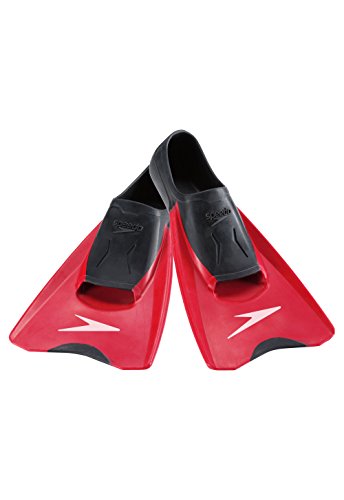 Best for medium-length training bladesSpeedo Unisex-Adult Swim Training Fin Rubber Medium BladeView on Amazon
- 4
 Best budget pick for travelGintenco Swim Fins, Adults & Kids Swim Training Fins for Lap SwimmingView on Amazon
Our Top Picks
Quick Comparison
| Product | Best for | Key feature |
|---|---|---|
| TYR Stryker Silicone Swim Fins | Overall training use | Full silicone build with a training-oriented blade |
| Arena Powerfin Pro II Swim Fins | Short-blade technique work | Short blade with hydrodynamic slits and open heel |
| Speedo Unisex-Adult Swim Training Fin | Medium-blade leg strength | Medium blade for steady, resistance-based kicking |
| Gintenco Swim Fins | Travel and beginner-friendly training | Compact fins that ship with a mesh carry bag |
TYR Stryker Silicone Swim Fins
TYR Stryker Silicone Swim Fins (1 pair)
Best for: Overall training use
This is a solid all-around pick for triathletes who want one pair of fins to handle most of their pool sessions. Its silicone construction is a common choice for training fins because silicone holds its shape well and resists the stiffening that can happen with cheaper rubber over time.
Key specs
- Material: silicone
- Designed for pool and open-water training
- Sold as a single pair
Pros
- Silicone material is widely regarded as durable under frequent use
- Works well for building kick strength during swim sets
- Recognizable brand with a long history in swim training gear
Cons
- Fit can feel snug for wider feet, so sizing matters
- Heavier-feeling than short-blade fins, which may tire some swimmers on long sessions
Bottom line: A strong first choice for triathletes who want a dependable, all-purpose training fin for regular pool work.
View on AmazonArena Powerfin Pro II Swim Fins
Arena Powerfin Pro II Swim Fins Left/Right Customized, Pink, 9.5-10.5 | Hydrodynamic Slits | Short-Blade Design | Open Heel | Enhanced Propulsion | Maximum Ankle Flexibility | 100% Silicone
Best for: Short-blade technique work
These are short-blade fins designed for swimmers who want to refine their kick mechanics without the heavy load of a long blade. Triathletes working on flutter technique, ankle flexibility, or a more streamlined leg position often find short blades useful for drills.
Key specs
- Listed size range: 9.5–10.5 (left/right customized)
- Color: pink
- Short-blade design with open heel
- Hydrodynamic slits in the blade
- 100% silicone construction
Pros
- Short blade supports technique drills and ankle flexibility work
- Open heel accommodates a range of footwear and ankle positions
- Silicone build is consistent with durable training fins
Cons
- Less resistance than longer blades, so it may not build leg power on its own
- Limited size range for swimmers outside the listed sizes
Bottom line: Best for triathletes who spend a lot of time on technique and want a short fin that keeps the kick honest.
View on AmazonSpeedo Unisex-Adult Swim Training Fin Rubber Medium Blade
Speedo Unisex-Adult Swim Training Fin Rubber Medium Blade
Best for: Medium-blade leg strength
A medium blade sits between a short technique fin and a full-length power fin. Triathletes who want more resistance for kick sets, without going to the longest blades, may find this length a practical middle ground.
Key specs
- Medium blade length
- Unisex adult sizing
- Rubber construction
Pros
- Medium blade adds kick resistance for strength-focused sets
- Unisex sizing makes it straightforward to choose a fit
- Well-known swim brand with broad availability
Cons
- Rubber can stiffen or degrade faster than silicone with heavy use and sun exposure, according to common owner observations
- Less specialized for drills than a dedicated short-blade fin
Bottom line: A good fit for triathletes building kick endurance who want a moderate blade and a recognizable brand.
View on AmazonGintenco Swim Fins, Adults & Kids Swim Training Fins for Lap Swimming
Gintenco Swim Fins, Adults & Kids Swim Training Fins for Lap Swimming | Travel Size Flippers with Mesh Bag, Silicone Swimming Fins for Beginners Teens Women Men
Best for: Travel and beginner-friendly training
These fins are built with portability in mind. Triathletes who fly to races, or who want a compact training fin to toss in a gym bag, often value a fin that folds into a small footprint and comes with its own mesh bag.
Key specs
- Sizes for adults and kids
- Silicone construction
- Travel size with included mesh bag
Pros
- Compact and easy to pack for travel or open-water camps
- Mesh bag helps keep gear separated and ventilated
- Suitable for a range of ages and skill levels
Cons
- Less resistance than full-size training fins, so strength gains may be slower
- Brand is less established in competitive training circles than the others listed
Bottom line: Best for triathletes who prioritize packability and want an affordable secondary pair for travel or light sessions.
View on AmazonBuying Guide
Blade Length
Blade length is the single biggest factor in how a fin feels. Short blades reduce load and encourage a faster, more precise kick, which suits technique drills. Longer blades add resistance and build leg power but can strain the knees and ankles if your technique is still developing. Many coaches suggest starting with a shorter blade and adding length as your kick becomes more efficient.
Good picks for this: Arena Powerfin Pro II Swim Fins, Speedo Unisex-Adult Swim Training Fin
Material and Durability
Silicone and rubber are the two common materials. Silicone generally holds its flexibility longer and handles chlorine and sun exposure better, which matters if you train daily. Rubber is often lower in cost and works well for occasional use, but owners frequently report it stiffening or cracking sooner with heavy use. Check the material before you buy if you plan to train several times a week.
Good picks for this: TYR Stryker Silicone Swim Fins, Arena Powerfin Pro II Swim Fins
Fit and Sizing
A fin that is too loose will slip and cause blisters, while one that is too tight restricts blood flow and ankle movement. Measure your foot in centimeters and compare against the manufacturer’s size chart, not your shoe size. Many training fins are sized for barefoot use, so consider whether you will wear neoprene socks, which can change the fit noticeably.
Good picks for this: TYR Stryker Silicone Swim Fins, Gintenco Swim Fins
Heel Style: Open Heel vs. Full Foot
Open-heel fins use an adjustable strap or stretch heel to hold the fin in place, which gives a wider range of sizes and allows you to wear socks. Full-foot fins are simpler to put on and offer a snugger feel, but they fit fewer foot sizes well. Open heels are generally preferred for training because they accommodate varied footwear and let you adjust the fit on the go.
Good picks for this: Arena Powerfin Pro II Swim Fins, Speedo Unisex-Adult Swim Training Fin
Use Case: Pool Training vs. Open Water
Pool training fins are usually built for steady kicking and drill work. Open-water-friendly fins need to stay secure in currents and chop, and they should not slip off during a long swim. If you plan to use the same pair for both, look for a secure heel and a blade that doesn’t feel unstable at higher kick speeds.
Good picks for this: TYR Stryker Silicone Swim Fins, Speedo Unisex-Adult Swim Training Fin
Portability and Storage
If you travel for races or camps, fin size and weight matter. Compact fins with a carry bag fit into luggage more easily and keep sand and chlorine off other gear. Rinse fins in fresh water after each session and let them dry out of direct sun to extend their life, regardless of which model you choose.
Good picks for this: Gintenco Swim Fins, Speedo Unisex-Adult Swim Training Fin
Care and Maintenance
Silicone and rubber both degrade faster when exposed to heat, UV light, and chlorinated water left to sit. Store fins flat or hung, away from direct sunlight, and check straps and heel pieces periodically for stretching or tears. Replacing worn fins before they fail mid-set helps prevent ankle strain.
Good picks for this: TYR Stryker Silicone Swim Fins, Arena Powerfin Pro II Swim Fins
FAQ
What length fin is best for triathlon training?
Most triathletes benefit from a mix. A short blade works well for technique drills and building ankle flexibility, while a medium blade adds resistance for strength sets. Beginners often start shorter and move to longer blades as their kick improves.
Are silicone fins better than rubber fins?
Silicone is generally regarded as more durable and more resistant to stiffening from chlorine and sun exposure. Rubber can work well for occasional use, but owners often report it degrading sooner with frequent training.
How do I know if my swim fins fit properly?
Measure your foot and compare it to the manufacturer’s size chart. The fin should feel snug without pinching, and your heel should stay in place on each kick. If you plan to wear neoprene socks, size up or test with socks on.
Can I use swim fins for open-water training?
Many training fins are used in open water, but look for a secure heel and a stable blade. Fins that slip during a long swim can cause ankle strain and disrupt your rhythm.
Should triathletes use fins every session?
Fins are a training tool, not a daily requirement. Using them for specific sets, such as kick work or leg strength blocks, is typically more useful than wearing them for every workout. Coaches often recommend balancing fin sets with unassisted swimming.
How often should I replace swim fins?
Replace fins when the material cracks, the blade loses flexibility, or the strap or heel pieces stretch out. Heavy training volume and chlorine exposure shorten the lifespan, so inspect them regularly.
Is a travel-size fin good enough for serious training?
Compact fins are excellent for travel and light sessions, but they usually offer less resistance than full-size training fins. Many triathletes keep a travel pair as a backup and a full-size pair for main training blocks.
Conclusion
For most triathletes, the best swim fins for triathlon training depend on your current goal. The TYR Stryker Silicone Swim Fins suit a broad, everyday training routine. The Arena Powerfin Pro II Swim Fins fit technique work and drills. The Speedo Unisex-Adult Swim Training Fin offers a middle blade for leg strength. The Gintenco Swim Fins make sense for travel and lighter sessions. Match the blade length and material to your training phase, check the sizing chart carefully, and replace fins when they wear out. If you have an existing ankle or knee issue, consider speaking with a coach or sports medicine professional before adding fin-heavy sets to your program.
Sources
- Guidance on water safety and swimming for adults and children (cdc.gov)
- Resources on training practices and athlete well-being in endurance sport
- Rules, training resources and guidance for triathlon athletes
Related reading
- 7 Best Swim Fins for Wide Feet for Comfortable Training (2026)
- 6 Best Size 15 Swim Fins for Pool and Open Water Training
- 5 Best Swim Fins for Pool Training (2026)
- 5 Best Swim Fins for Laps: Picks Compared for Pool Training
- 5 Best Fins for Swim Training in 2026: Picks Compared
- 3 Best Swim Fins Short Blades for Pool Training (2026)
- TYR Flex Swim Fins: A Buyer's Guide for Pool and Open Water Training
- TYR Crossblade Swim Fins: Fit, Use and Training Tips for Pool and Open Water
About Colin Foster
Colin Foster is part of our editorial team and reviews and edits our swimming gear guides, checking product details against manufacturer specifications and owner feedback.
About the author
Colin Foster writes reviews and buying guides for Swim Brief.