6 Best Men’s Open Water Wetsuits for Triathletes and Swimmers (2026)
Compare six men's open water wetsuits by warmth, buoyancy, fit and seam design, with pros, cons and a buying guide to help you pick the right one fast.
 By Colin Foster
Updated November 20, 2026
 By Colin Foster
Updated November 2026
Choosing a men’s open water wetsuit comes down to water temperature, how much buoyancy you want, how freely your shoulders move, and whether you race or train. This list compares six options by neoprene thickness, sleeve style, buoyancy and seam construction, with a short buying guide to help you narrow the field.
Our top picks at a glance
- 1TOP CHOICEBest overallSynergy Volution 5/2mm Triathlon Wetsuit Full Sleeve Open Water (Black, L1)View on Amazon
- 2
 TOP CHOICEBest for warmer water trainingSynergy Men's Volution 3/2mm Triathlon Wetsuit – Full Sleeve Open Water (Black, L2)View on Amazon
- 3
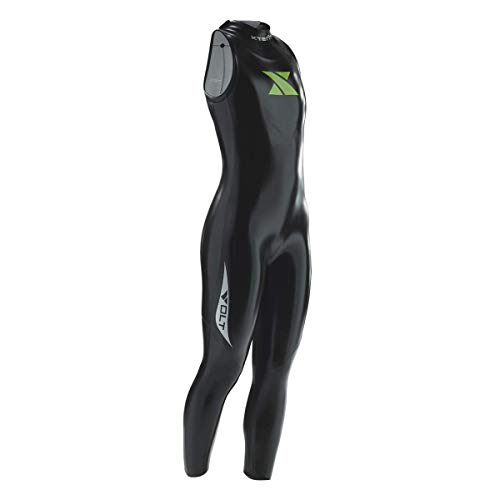 TOP CHOICEBest for sleeveless racingXterra Wetsuits – Men's Volt Triathlon Wetsuit – Sleeveless Neoprene WView on Amazon
- 4
 Best for buoyancyOrca Men's Triathlon Full Body Wetsuit – Athlex FloatView on Amazon
- 5
 Best for cold waterOwntop 4mm Wetsuit for Men, GBS Seam, Warm High Stretch NeopreneView on Amazon
- 6
 Best for visibilityORCA Men's Vitalis Openwater Hi-Vis Wetsuit (Black, 7)View on Amazon
Our Top Picks
| Product | Best for | Key feature |
|---|---|---|
| Synergy Volution 5/2mm Triathlon Wetsuit | Overall use in cool water | 5/2mm full sleeve |
| Synergy Men’s Volution 3/2mm Triathlon Wetsuit | Warmer water training | 3/2mm full sleeve |
| Xterra Men’s Volt Triathlon Wetsuit | Sleeveless racing | 3mm sleeveless neoprene |
| Orca Men’s Triathlon Full Body Wetsuit Athlex Float | Buoyancy for mixed ability | High-buoyancy neoprene |
| Owntop 4mm Wetsuit for Men | Cold water swimming | GBS seam, 4mm thickness |
| ORCA Men’s Vitalis Openwater Hi-Vis Wetsuit | Visibility in open water | Hi-vis color panels |
Synergy Volution 5/2mm Triathlon Wetsuit Full Sleeve Open Water (Black, L1)
Synergy Volution 5/2mm Triathlon Wetsuit Full Sleeve Open Water (Black, L1)
Best for: Overall use in cool water If you want more background, see Men's Skechers Deck Shoes: How to Choose, Fit and Use Them on the Water.
This suits swimmers who train in water in the mid-50s°F range and want full sleeves for warmth. Manufacturers specify a 5/2mm build, which is thicker at the core than at the limbs.
Pros
- Thicker core neoprene for warmth
- Full sleeves for consistent insulation
Cons
- Can feel warm in summer water
Synergy Men’s Volution 3/2mm Triathlon Wetsuit – Full Sleeve Open Water (Black, L2)
Synergy Men's Volution 3/2mm Triathlon Wetsuit – Full Sleeve Open Water (Black, L2)
Best for: Warmer water training
This fits swimmers who spend most sessions in water above the low 60s°F and want more freedom of movement than a thicker suit allows. The 3/2mm construction keeps weight down.
Pros
- Lighter, more flexible neoprene
- Full sleeves still help with cool mornings
Cons
- Less insulation in cold conditions
Xterra Wetsuits Men’s Volt Triathlon Wetsuit – Sleeveless Neoprene Wet Suit (3mm Thickness)
Xterra Wetsuits – Men's Volt Triathlon Wetsuit – Sleeveless Neoprene Wet Suit (3mm Thickness) (Large) | Designed for Open Water Swimming
Best for: Sleeveless racing
This works for triathletes who want shoulder freedom on the swim leg and are comfortable in moderate water temperatures. The sleeveless cut is designed for open water swimming.
Pros
- Unrestricted shoulder movement
- Lightweight 3mm neoprene
Cons
- Less warmth than full-sleeve styles
Orca Men’s Triathlon Full Body Wetsuit – Athlex Float
Orca – Men’s Triathlon Full Body Wetsuit – Athlex Float | Full Body Swim Suit Hydrodynamic for Open Water – High Buoyancy Neoprene – Silver Total Size 9
Best for: Buoyancy for mixed ability
This is a good match for newer open water swimmers or anyone who wants extra lift at the hips and legs. The high-buoyancy neoprene is specified by the manufacturer to help body position.
Pros
- Strong buoyancy support
- Hydrodynamic full-body cut
Cons
- Can feel bulky for experienced racers
Owntop 4mm Wetsuit for Men, GBS Seam, Warm High Stretch Neoprene
Owntop 4mm Wetsuit for Men, GBS Seam, Warm High Stretch Neoprene | Cold Water Wet Suit for Diving Surfing Snorkeling, Back Zipper
Best for: Cold water swimming
This suits swimmers training in water in the upper 50s°F and below, where a 4mm build provides meaningful insulation. The GBS seam design is intended to reduce water entry.
Pros
- Thicker 4mm neoprene for cold water
- GBS seam construction
Cons
- Reduced flexibility compared with thinner suits
Buying Guide
Water Temperature and Neoprene Thickness
Neoprene thickness is the biggest factor in how warm you stay. Thicker suits, often 5/3mm or 5/2mm, suit colder open water, while 3/2mm or 3mm options work better for milder conditions and summer training. Check the water temperature for your race or training location before deciding.
Sleeve Style and Shoulder Mobility
Full sleeve suits add warmth and help with buoyancy, but they can feel more restrictive through the shoulders. Sleeveless designs give your arms more freedom and are often preferred for fast swimming in warmer water. If you swim strong stroke mechanics, sleeveless may suit you well; if you feel cold quickly, go with full sleeves.
Buoyancy and Body Position
Some wetsuits include high-buoyancy neoprene in the hips and legs, which can help keep your body position flatter in the water. This can be useful for less experienced swimmers, though it may add drag for strong swimmers. Think about your current swim fitness and how much lift you want.
Seam Construction and Fit
Seam type affects both comfort and water entry. Glued and blind-stitched seams generally reduce chafing and leaks compared with exposed stitching, which is more common on budget suits. A snug fit without pinching at the neck, shoulders or underarms will help keep water from flushing through the suit.
FAQ
What thickness wetsuit should I choose for open water?
Thickness depends on the water temperature where you swim. Thicker suits around 5mm suit cold water, while 3mm and thinner suit warmer conditions. When in doubt, match the suit to the coldest water you expect to swim in.
Is a sleeveless wetsuit good for triathlon?
Yes, sleeveless suits are popular with triathletes who swim in moderate water temperatures. They allow greater shoulder freedom and tend to feel less restrictive during the swim. They offer less warmth than full sleeve versions, so they are best for warmer conditions.
How should a men’s wetsuit fit?
A wetsuit should feel snug all over without restricting breathing or shoulder movement. Some water should enter initially, but the suit should trap a thin layer that warms against your skin. Check the size chart carefully and try to test the fit in the water if possible.
Do I need a wetsuit for pool swimming?
Most pool swimmers do not need a wetsuit, since pool water is typically warm and wetsuits are designed for open water use. Wearing one in a pool can also cause overheating during longer sessions. Wetsuits are mainly for open water races and cold-water training.
How do I care for a wetsuit?
Rinse your wetsuit in fresh water after every use, especially after salt water or chlorine. Hang it inside out in the shade to dry, away from direct sun and heat. Store it flat or loosely folded, and avoid sharp folds that can damage the neoprene.
Conclusion
If you swim in cold water and want maximum warmth and buoyancy, a thicker full sleeve suit such as the 5/2mm Synergy Volution is a strong fit. For warmer training and faster arm movement, the 3/2mm Synergy Volution or the sleeveless Xterra Volt may suit you better.
Swimmers who want extra buoyancy and a flatter body position should consider the Orca Athlex Float, while those in mild temperatures on a tighter budget may find the Owntop 4mm a practical choice. Match your pick to your water temperature, swim style and comfort priorities for the best results.
Related reading
- Wetsuit Open Water Zwemmen Heren: How to Choose the Right Fit in 6 Steps
- Synergy Triathlon Open Water Wetsuit: 6 Fit and Buying Steps (2026)
- Orca Open Water Wetsuit Temperature: A Practical Guide (2026)
- Orca Open Water Wetsuit Size Chart: How to Find Your Fit in 5 Steps
- Open Water vs Triathlon Wetsuit: Which Fits Your Swimming?
About Colin Foster
Colin Foster is part of our editorial team and reviews and edits our swimming gear guides, checking product details against manufacturer specifications and owner feedback.
About the author
Colin Foster writes reviews and buying guides for Swim Brief.